
Deciding on a cochlear implant is not a small decision. It is one that changes how you experience the world around you. The more you understand about how it works, who it can help, and what the journey actually looks like, the more confident you will feel about the choice you make.
What Is a Cochlear Implant?
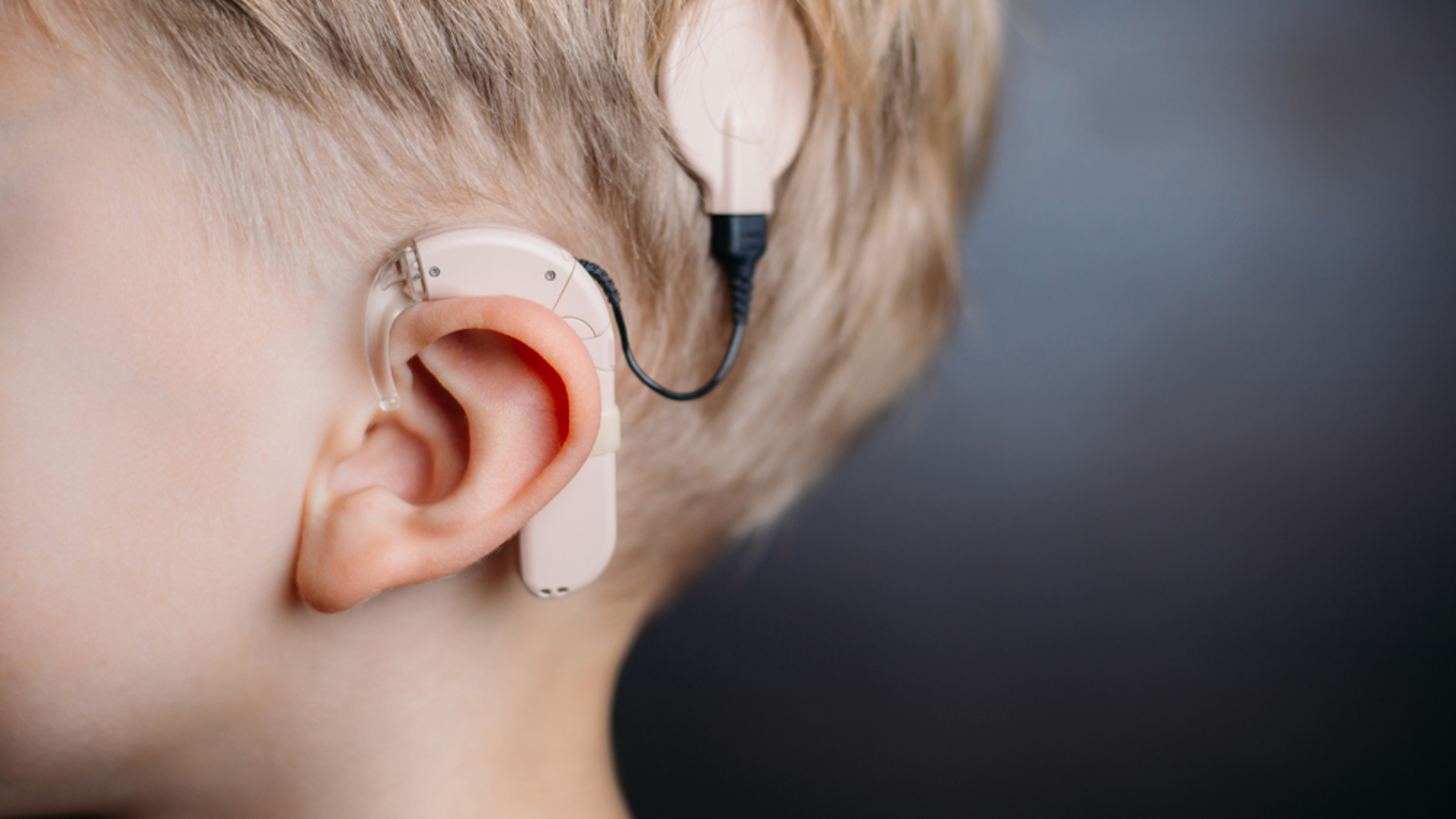
A cochlear implant is different from a hearing aid in a fundamental way. Hearing aids make sounds louder. A cochlear implant skips past the damaged parts of your inner ear entirely and sends signals directly to your auditory nerve. It is designed for people with severe to profound hearing loss who have reached the point where hearing aids are no longer enough. The device has two parts: a sound processor worn on the outside and an implant placed surgically beneath the skin.
Who May Benefit From a Cochlear Implant?
A cochlear implant may be considered for people who:
- Have severe to profound sensorineural hearing loss
- Receive limited benefit from appropriately fitted hearing aids
- Have difficulty understanding speech, even with hearing aids
- Meet specific hearing and medical criteria after evaluation
- Are willing to take part in hearing rehabilitation after surgery
Things You Should Know Before Choosing a Cochlear Implant in Karachi
Before deciding on a cochlear implant in Karachi, it is helpful to understand the evaluation, procedure, recovery, and long-term commitment involved.
A Detailed Hearing Evaluation Is Important
It starts with understanding exactly where your hearing stands. Your specialist runs a series of tests to evaluate the type and degree of your hearing loss, and those results are what determine whether a cochlear implant could be the right path for you.
The Implant Does Not Restore Natural Hearing
Nobody should promise you that a cochlear implant will make things sound the way they used to. It will not. What it does is open a door to sound that may have been closing for a long time. The sounds you hear through it will feel different at first, maybe robotic, maybe unfamiliar. That can be unsettling. But your brain is remarkable, and given time, it starts to make sense of what it is hearing.
Rehabilitation Is Part of the Process
Activation is not the finish line. It is the starting point. After that, regular follow-up appointments and auditory training help your brain learn what to do with the sounds it is now receiving. Think of it as teaching your brain a new language. It takes time and practice, but every session builds on the last.
Surgery and Recovery Should Be Discussed
This is surgery, and that deserves more than a casual conversation. Before you decide anything, sit down with a specialist who will be honest with you about the risks, how long recovery takes, and what you can realistically expect afterward.
Results Can Vary
No two people experience a cochlear implant the same way. How much you benefit depends on things like your age, how long you have lived with hearing loss, your past experience with sound, and how committed you are to rehabilitation. Someone else’s results will not be your results, and that is okay.
Practical Factors to Consider in Karachi
When exploring cochlear implant options in Karachi, consider:
- The experience and qualifications of the hearing and surgical team
- Availability of pre-surgery assessments and post-surgery care
- Access to auditory rehabilitation services
- Follow-up appointments and device programming
- Availability of technical support for the sound processor
- The overall treatment and long-term maintenance costs
Final Thoughts
This is not a decision you make in a day, and it should not be. A cochlear implant can open up a world of sound you thought was behind you, but getting there takes evaluation, preparation, and the kind of honesty about outcomes that only a good specialist can give you. If you have been thinking about a cochlear implant in Karachi, Dr Najam’s Hearing Clinic is a place where you can ask every question on your mind and get real answers. Call 0331-7945836 whenever you are ready to take that first step.
Frequently Asked Questions
No, and that is actually a good thing. It means the recommendation is based on your specific situation, not a one-size-fits-all checklist. Your hearing loss, your medical history, how much hearing aids help you, all of it factors into whether a cochlear implant is the right choice.
Most people are surprised it does not take longer. The surgery usually wraps up within a few hours, though your specific case may take a little more or less time.
Sound comes back, but not the way you knew it. A cochlear implant opens a new door, and your brain needs time to walk through it. That adjustment is real, but so is the progress.
