
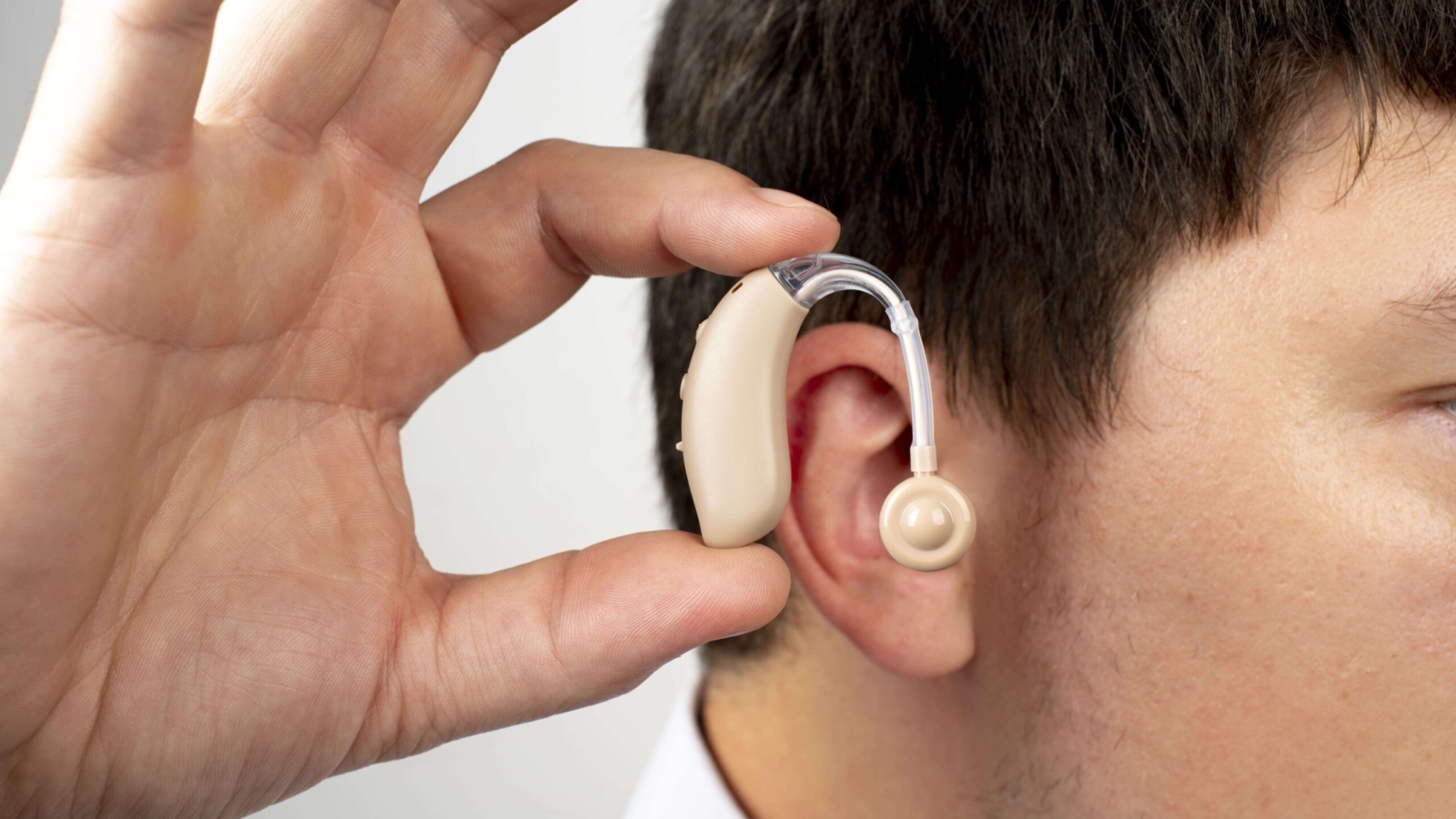
When hearing starts to fade, it does not just affect your ears. It changes how you connect with people, how you perform at work, and how you move through your day. The right hearing aid can bring that connection back. If you are considering hearing aids in Pakistan, taking the time to understand your options puts you in a much better position to choose something that truly works for your life.
What Is a Hearing Aid?
At its core, a hearing aid does one thing: it helps you hear what you have been missing. A tiny microphone picks up the sounds around you, a processor sharpens them, and a speaker delivers them to your ear in a way that makes sense again. What has changed is how far the technology has come. Modern hearing aids are smaller, smarter, and more adaptable than ever, with styles and features designed to match different levels of hearing loss and different ways of living.
Why Choosing the Right Aid Matters
You do not realize how much you have been missing until the right hearing aid brings it back. It changes your day in ways that are hard to explain to someone who has not experienced it.
- Improves speech clarity in everyday conversations
- Makes it easier to hear in different listening environments
- Provides greater comfort during extended use
- Matches your level and type of hearing loss
- Can include useful features such as Bluetooth and noise reduction
What to Know Before Buying Hearing Aids in Pakistan
Before choosing hearing aids in Pakistan, consider these five important factors:
1. Your Type and Level of Hearing Loss
No two people experience hearing loss the same way. A hearing assessment shows you exactly where your hearing stands and helps determine which type of hearing aid will make the biggest difference for you.
2. Hearing Aid Style
There is no single hearing aid that works for everyone. Some people prefer behind-the-ear models, others want something smaller that sits inside the ear. The best choice comes down to your level of hearing loss, what feels comfortable, how you spend your days, and what matters to you personally.
3. Important Features
Think about what your day actually looks like. If you are in noisy environments, noise reduction and directional microphones matter. If you hate dealing with batteries, rechargeable models are worth considering. And if you want to stream calls or music, Bluetooth connectivity makes a real difference.
4. Comfort and Fit
A hearing aid only works if you actually wear it, and that comes down to fit. When it sits comfortably and stays secure, you forget it is there, which is exactly the point.
5. Professional Support
Picking the right hearing aid is only part of it. How it is fitted, how it is programmed, and the adjustments that come afterward are what make the real difference. Having a professional who guides you through all of that is what turns a device into something that actually changes your daily life.
Common Mistakes to Avoid
Keep these points in mind when purchasing hearing aids:
- Choosing a device without having your hearing evaluated
- Selecting a hearing aid based only on price
- Ignoring comfort and fit
- Buying a device without professional fitting or support
- Expecting immediate perfect hearing without an adjustment period
Final Thoughts
Choosing the right hearing aid can support better communication and make everyday listening easier. If you are looking for hearing aids in Pakistan, professional guidance can help you find an option suited to your hearing needs and lifestyle. For expert assistance, contact Dr Najam’s Hearing Clinic at 0331-7945836.
Frequently Asked Questions d
Cost is a real concern, and there is no reason to pretend it is not. Hearing aids range in price depending on the type, the technology, and the features involved.
A hearing aid will not make your hearing what it was. But it will turn down the struggle. Conversations get clearer, sounds you had stopped noticing come back, and the world stops feeling so far away.
Yes. Choosing a hearing aid without a proper assessment is like guessing. A professional evaluation tells you exactly what you are dealing with, so the device you end up with is one that actually matches your hearing loss.
